If you’re looking for a practical Shopify CRO guide to increase conversions and boost revenue, you’re in the right place. In 2026, competition is stronger than ever, and simply driving traffic is no longer enough. This Shopify CRO guide will show you how to turn visitors into buyers by improving user experience, reducing checkout friction, and optimizing your store strategically.
What Is Conversion Rate Optimization (CRO)?
Additionally, Conversion Rate Optimization (CRO) is the process of increasing the percentage of visitors who take a desired action — whether that’s adding to cart, completing a purchase, or signing up for a newsletter. For Shopify stores, CRO focuses on improving the customer journey from first visit to checkout completion.
How Conversion Rate Is Calculated
Your store’s conversion rate is typically calculated as:
Conversion rate (%) = (Total orders ÷ Total visitors) × 100
For example, if 5 out of 100 visitors buy something, your conversion rate is 5%. Tracking this metric helps you measure the impact of CRO efforts over time.
Why CRO Matters for Shopify Stores
Boosting your conversion rate means you’re getting more value from the traffic you already have. Therefore, instead of spending more on ads or marketing, a small improvement in conversion rate can lead to significantly higher revenue with the same visitor count. This is especially important for eCommerce stores operating on tight budgets or in competitive niches.
How to Use This Shopify CRO Guide Effectively
Below are practical, beginner-friendly methods to improve conversions without major redesigns.
1. Improve Your Site Speed and Performance
Slow load times frustrate visitors and increase bounce rates. Optimizing speed — compressing images, reducing script load, and choosing a faster theme — helps reduce friction and keeps users engaged. Fast stores convert better across devices.
2. Simplify Navigation and UX
A clear, intuitive menu and product structure help visitors find what they need faster. If users struggle to locate categories, products, or the cart, they’re more likely to leave without converting. A seamless user experience is the backbone of CRO.
3. Optimize Product Pages
Product pages are conversion hotspots. Ensure they clearly communicate value:
- High-quality images and video
- Clear, benefit-focused titles and descriptions
- Price and trust signals above the fold
- Strong call-to-action (CTA) buttons
- Social proof (reviews, ratings)
A strong product page answers customer questions quickly and reduces hesitation.
4. Reduce Checkout Friction
Cart abandonment is one of the biggest CRO challenges. Fix it by:
- Allowing guest checkout
- Reducing required form fields
- Displaying shipping costs early
- Adding progress indicators
- Empowering users with multiple payment options
Checkout simplicity directly boosts conversions.
5. Add Trust Signals
Confidence helps users make buying decisions. These include:
- Secure payment badges (SSL, Visa, Mastercard)
- Money-back guarantees
- Transparent return policies
- Authentic customer reviews
Trust elements reassure visitors they’re making a safe purchase.
6. Use A/B Testing
A/B testing helps you compare versions of headlines, CTAs, images, and layouts to see which performs better. Testing is essential for CRO because it gives data-driven insights rather than guesswork.
7. Leverage Personalization
Visitors convert more when your store feels personalized. Use:
- Personalized product recommendations
- Tailored landing pages by campaign/source
- Deals based on browsing or purchase history
Personalization increases relevance and encourages commitment.
Common Shopify CRO Mistakes to Avoid
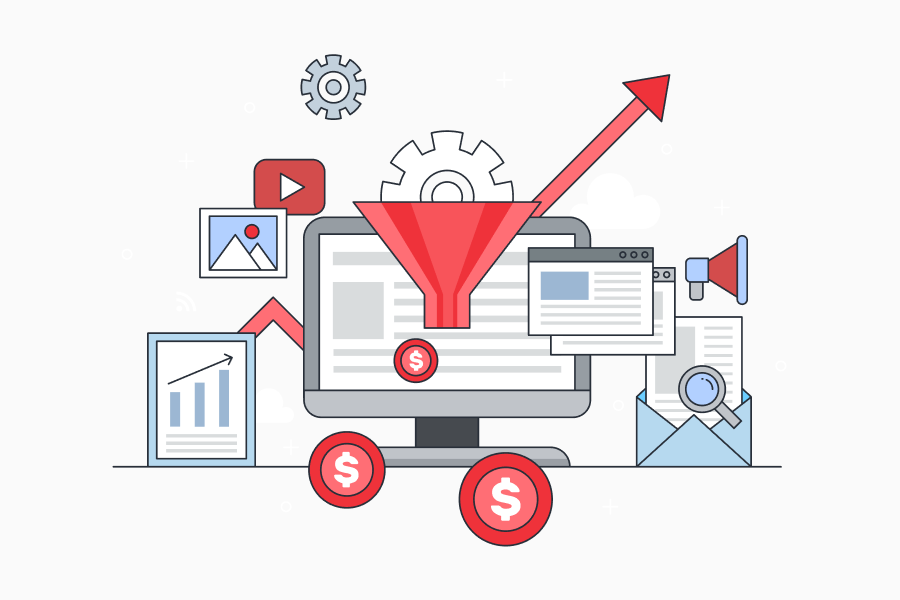
Even beginners make these common errors:
- Ignoring mobile visitors: Most Shopify traffic is mobile, but mobile users often convert at lower rates if experiences are poor.
- Overcomplicating navigation: Too many menu items or cluttered layouts slow visitors down.
- Not tracking key metrics: If you don’t measure where visitors drop off, you can’t improve it.
Realistic CRO Benchmarks for Shopify
Average Shopify conversion rates often fall around 1%–3%. Stores converting above ~3% are doing well, while those hitting ~4% or higher often have strong CRO foundations already in place. Benchmarks vary by industry and traffic source, but they provide a valuable guide to measure progress.
Conclusion — CRO Is a Continuous Process
Conversion optimization is not a one-off task but an ongoing commitment. By understanding visitor behavior, reducing friction, and strategically improving customer experience, Shopify stores can steadily increase their sales without extra traffic spend. Start with the basics, track results, and iterate — that’s the key to 2026 success.